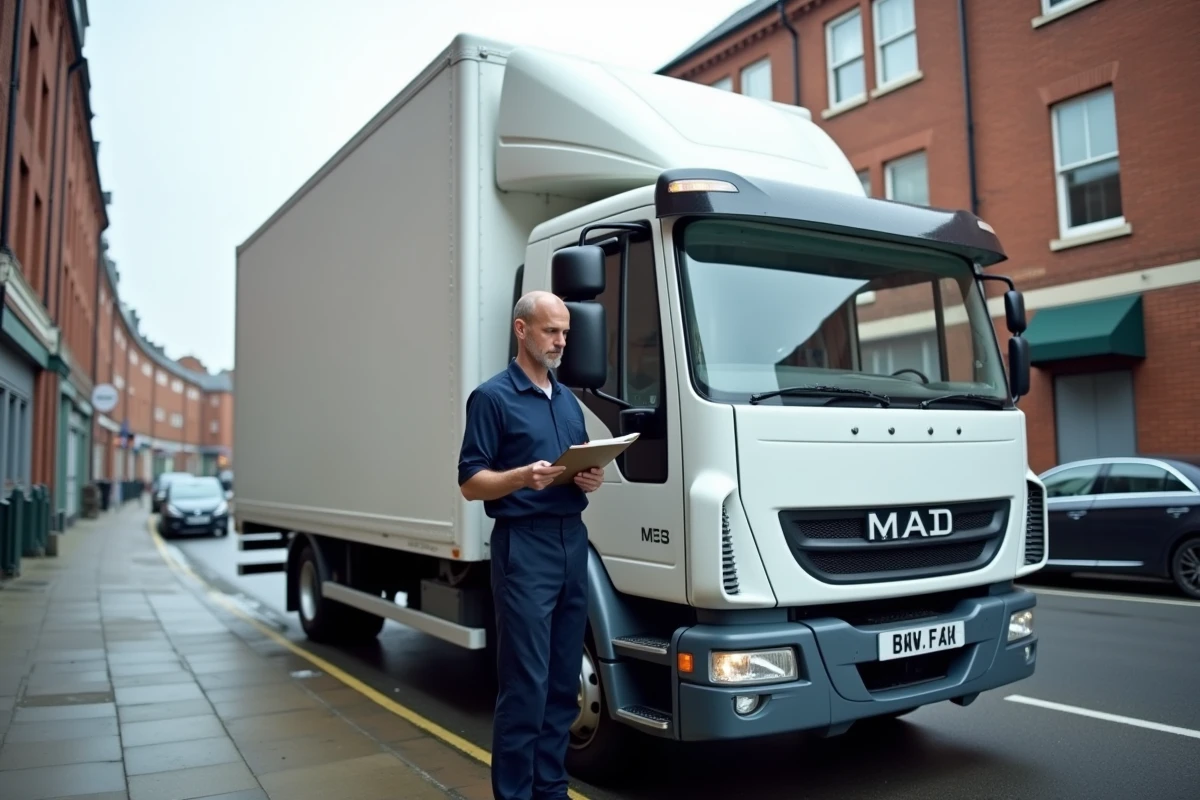
The segment of 3.5-ton commercial vehicles encompasses technical constraints that cannot be fully mastered by simply reading a manufacturer’s data sheet. Between regulatory GVW, wheelbase, usable volume, and load distribution on axles, each dimensional parameter directly impacts the vehicle’s compliance and the profitability of the delivery route.
Load distribution on axles and wheelbase choice for a 3.5-ton truck
The actual payload of a 3.5-ton vehicle typically ranges from 800 kg to 1,400 kg depending on the body type and the chosen wheelbase. This delta arises from the empty weight of the chassis-cab, the type of body, and the onboard equipment (tailgate, refrigeration unit, interior fittings).
A short wheelbase (around 3,000 mm) enhances maneuverability in dense urban areas but reduces the available body length. Conversely, a long wheelbase (beyond 4,000 mm) allows for higher loading volumes, at the cost of a wider turning radius and increased load transfer to the rear axle.
We recommend systematically calculating the load distribution on the front and rear axles before validating a configuration. The strengthening of European technical controls for commercial vehicles now places increased attention on exceeding GVW and this distribution, making the choice of wheelbase critical right from the chassis order.
To delve deeper into the dimensions and types of 3.5-ton trucks available on the market, one must cross-reference body length, usable interior height, and residual load after body installation.
Common bodies on 3.5-ton chassis: usable volume and usage constraints
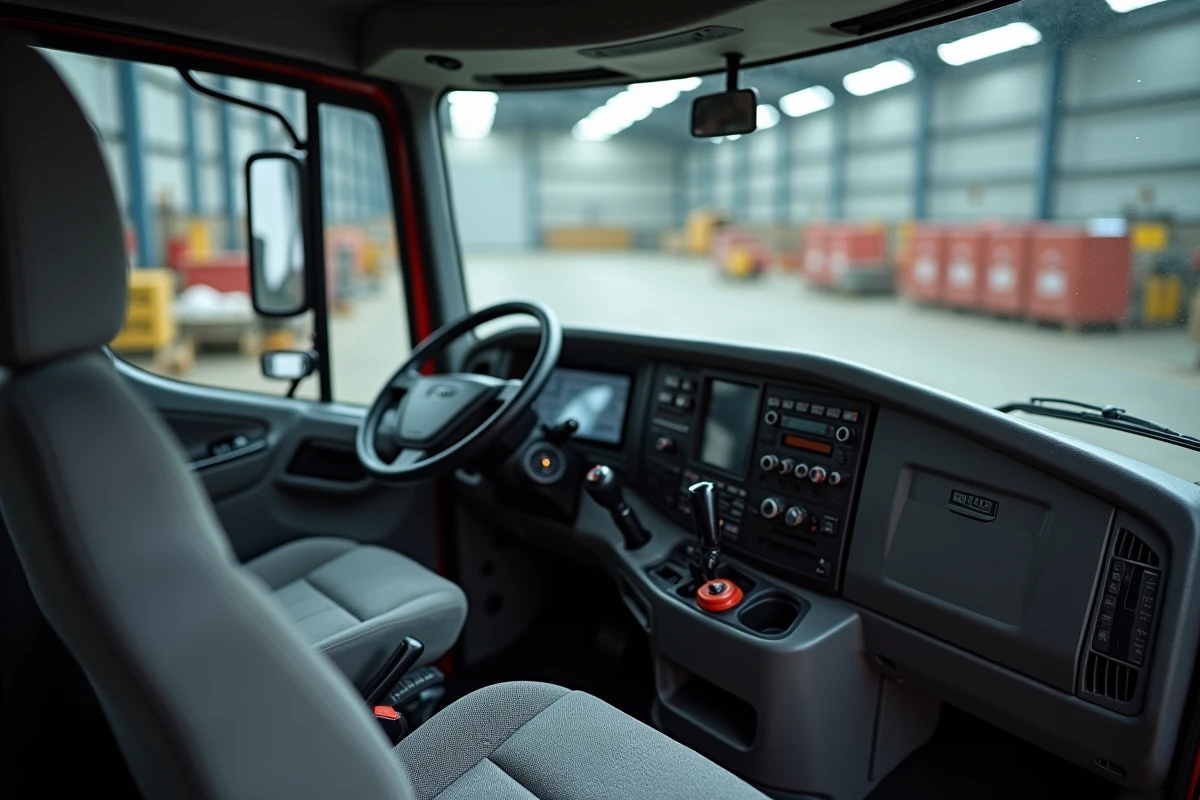
The 3.5-ton chassis accepts several types of bodies, but each differently affects the remaining payload. Three configurations dominate the light goods transport market.
- Dry van: loading volume between 15 and 22 m³ depending on the wheelbase. This is the most versatile configuration for urban and suburban delivery. The weight of the body remains moderate, preserving the payload.
- Refrigerated body: insulation and the refrigeration unit add several hundred kilograms to the empty weight. The interior volume decreases compared to a dry body of the same external dimensions due to the thickness of the insulating walls. The maximum allowed external width in Europe remains capped at 2.55 m (2.60 m for refrigerated vehicles).
- Dump or flatbed: suitable for transporting materials or concentrated heavy loads, this setup requires particular vigilance regarding weight distribution. An off-center load on a short flatbed can cause unloading of the front axle, degrading braking and steering.
The choice of body is not limited to volume: the ratio between usable volume and residual payload determines the profitability of each trip. A 22 m³ van that can only carry 900 kg of goods will be underutilized for transporting heavy pallets.
Interior height and accessibility
Usable interior height typically ranges between 1.70 m and 2.10 m on a body mounted on a 3.5-ton chassis. For loading standard pallets (total height of pallet + goods around 1.80 m), a low body imposes a stacking limit to a single level.
The addition of a tail lift facilitates loading in the absence of a loading dock but weighs between 150 and 300 kg depending on capacity. This weight directly reduces the payload, a consideration to be made at the time of vehicle configuration.
Low Emission Zone (LEZ) regulations and powertrains: impact on 3.5-ton fleets
Since 2024, several European metropolitan areas (Paris, Brussels, Amsterdam) have adopted schedules aimed at restricting access for 3.5-ton diesel light commercial vehicles in Low Emission Zones, with progressive limitations planned by 2030. This regulatory pressure pushes fleets towards electric or natural gas/bio-NGV options.
The shift to electric powertrains profoundly alters the payload balance. The battery pack represents a significant weight increase compared to a diesel powertrain. On a 3.5-ton electric vehicle, the residual payload can drop below 800 kg with a standard dry body, reducing the number of packages per trip.
This constraint necessitates rethinking route sizing: more short trips in urban areas, with a vehicle whose actual range (often lower than manufacturer data when loaded) must cover the planned route.
Access to the profession for cross-border transport
Since May 2022, Regulation (EU) 2020/1055 subjects commercial vehicles over 2.5 tons used in international transport to the same access requirements as heavy goods vehicles: professional competence, financial capacity, and effective establishment. Carriers operating 3.5-ton vehicles in cabotage or internationally must now have a transport manager holding the competence certificate.
This tightening has altered the business model of operators who relied on 3.5-ton vehicles to escape the obligations applicable to heavy goods vehicles.
Selection criteria for a 3.5-ton truck based on transport type
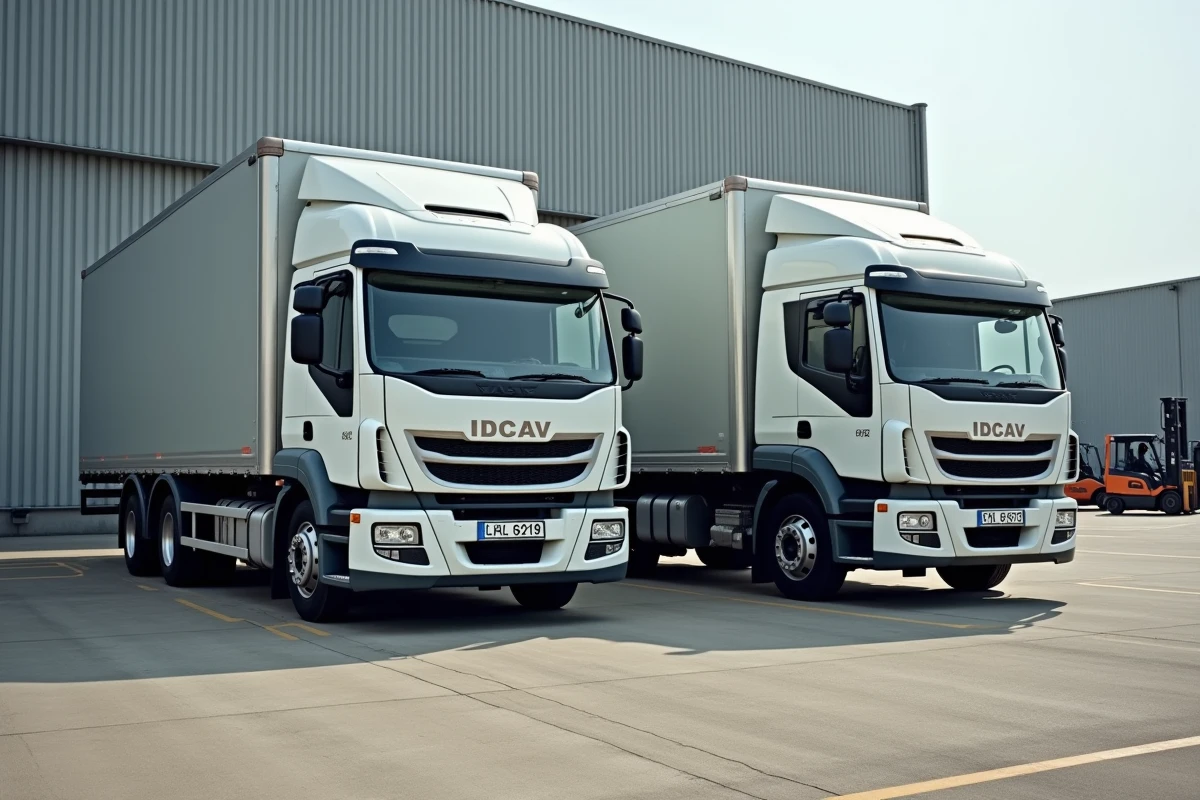
The right vehicle depends less on the brand than on the fit between the mission and the chassis-body configuration. We observe three determining parameters.
The first is the nature of the goods: temperature-controlled items, bulky lightweight packages, or dense loads like construction materials. Each case dictates a type of body and a minimum payload threshold.
The second concerns the geographical perimeter. A fleet limited to last-mile delivery in metropolitan areas must anticipate LEZ restrictions and prioritize a powertrain compatible with Crit’Air 1 or zero emissions. A vehicle assigned to regional or cross-border routes must comply with the obligations of Regulation 2020/1055.
The third parameter is the frequency of tail lift use. On multi-drop routes without access to loading docks, the tail lift becomes essential, but its weight reduces the payload of each delivery. A poorly calibrated tail lift/payload trade-off generates additional costs across the entire operation.
The 3.5-ton market is evolving rapidly, driven by combined emissions standards, strengthened technical controls, and the expansion of LEZs. Each fleet renewal should integrate these variables from the specifications stage, rather than facing them at the time of registration.