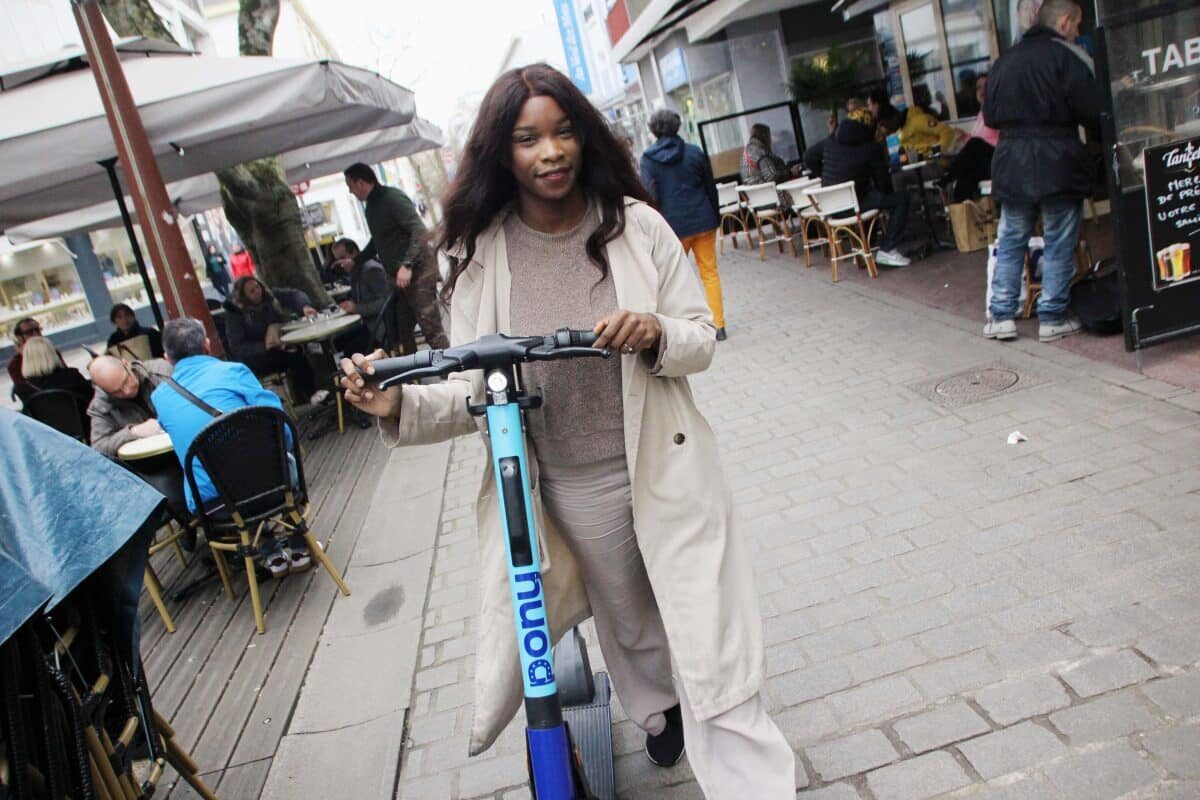
The essence of a city, its colors and moods, often reveals itself in the diversity of its neighborhoods. Lorient, a Breton city with many facets, is no exception to this rule. From its historic alleys to its industrial zones, every street corner tells a story, every wall whispers a song from the past, and every square vibrates with its own energy. There are often clichés and stereotypes when discussing neighborhoods and their reputations. But to truly know Lorient, one must explore it, live it, and experience it. Let’s explore together the neighborhoods of this fascinating city, with both good and bad reputations.
Lorient: an unknown elegance
The unknown elegance of Lorient is nestled in its neighborhoods, like hidden treasures. While some view this port city as austere and industrial, they overlook the discreet beauty that flourishes within each Lorient neighborhood.
At the heart of the city center, the historic district unveils a heritage of infinite richness. The colorful facades of the half-timbered houses testify to the city’s flourishing maritime past. Strolling along the quays lining the banks of the Scorff is an invitation to travel back in time and immerse oneself in the History of Lorient.
However, Lorient cannot be summed up solely by its historical side. The booming neighborhoods testify to a constant desire for modernity and dynamism. Notably, Keroman, a former military enclave transformed into a major economic hub with its shipyards and innovative companies. It is here that the industrial heart of the city beats, in a momentum towards the future.
Yet, far from the tumultuous port activities, there are also residential neighborhoods prized for their calm and serenity. Le Moustoir offers a tranquil atmosphere where it is pleasant to live among charming bourgeois homes and green parks conducive to peaceful strolls.
The working-class neighborhoods, on the other hand, are brimming with unsuspected cultural richness. Kervenanec and Bois-du-Château reflect a social mix where communities of diverse origins coexist. Lively markets, small local shops, and popular festivals testify to a vibrant neighborhood life.
But what truly gives Lorient its strength and promising future lies in its ability to transform its neighborhoods. The bold conversion of the Festival Interceltique site into a dynamic cultural hub is a striking example. The former shipyards are also undergoing a gradual transformation into cultural spaces open to all.
Discovering the neighborhoods of Lorient is to surrender to an endless exploration, where every corner is filled with stories and surprises. It would be unfair to judge this city solely based on the clichés that cling to it. Behind its austere facades lies an artistic, economic, and social effervescence that only a curious eye can fully grasp.
Far from the tourist crowds, Lorient reveals its soul through its picturesque streets, thus offering discerning visitors an authentic journey to the heart of a fascinating and unknown city.
Historic neighborhoods: heritage and charm
Lorient, a port city with a rich maritime past, is full of historic neighborhoods that testify to its long history. These architectural and cultural gems offer visitors a dive into time, revealing the very essence of the city.
The first emblematic neighborhood to discover is the city center. Walking through its cobbled streets lined with colorful half-timbered houses is a true enchantment for lovers of traditional architecture. Each building tells a story, that of the sailors and merchants who once made Lorient prosper. Strolling along the quays of the Scorff also offers a stunning view of the moored boats, reminding us of the city’s maritime vocation.
Not far from there is the prestigious La Perrière neighborhood, where shipowners and captains once resided at the height of their glory. The imposing bourgeois homes still testify today to the past splendor of these wealthy families. A walk through this neighborhood allows one to appreciate the classical and elegant architecture characteristic of this bygone era.
Continuing our visit to the northwest, we find the Saint-Louis neighborhood, the historical cradle of Lorient. Bordered by the ramparts dating back to the 17th century, this former military bastion has retained its authentic character with its narrow streets and former barracks transformed into charming residences.
The discovery of the historic neighborhoods would not be complete without mentioning the La Base neighborhood. Formerly intended for the shipbuilding industry, this industrial site has been reinvented into a major cultural and artistic hub. The former dry dock now hosts international-scale exhibitions, while the old warehouses have been transformed into workshops for local artists.
Beyond their architectural heritage, these historic neighborhoods are also animated by a rich social and cultural life. Traditional restaurants offer visitors an immersion into local gastronomy with delicious dishes inspired by seafood. The small artisan shops offer unique creations, symbols of local craftsmanship.
The historic neighborhoods of Lorient thus reveal all the richness and charm of a city that has managed to preserve its heritage while looking towards the future. This exploration into the heart of the maritime past will transport you to a bygone era where every stone tells a fascinating story.
Thriving neighborhoods: modernity and dynamism
Lorient, a city in constant evolution, is not limited to its historic neighborhoods. Indeed, the Breton city also houses newer neighborhoods that testify to its modernity and dynamism.
Among these thriving neighborhoods is the highly sought-after Merville neighborhood. Known for its tree-lined green spaces and contemporary residences, this residential area offers a pleasant living environment for its inhabitants. Families find happiness here thanks to a comprehensive offering of schools and sports facilities. Local shops meet the daily needs of residents with a commendable diversity.
Not far from there is the Polygone neighborhood. This modern urban space is characterized by a harmonious blend of housing, offices, and shops. Stylish buildings sit alongside trendy boutiques and gourmet restaurants, creating a captivating cosmopolitan atmosphere. The Polygone perfectly embodies the image of a Lorient looking towards the future.
Another booming area is the Keroman fishing port. Once dedicated exclusively to maritime activity, it has reinvented itself by incorporating attractive tourist facilities such as restaurants specializing in local cuisine and lively bars offering stunning views of the boats returning to port after their outings at sea.
The Kergroise neighborhood also deserves mention. It is a true showcase of sustainable development and eco-responsibility. This new residential neighborhood has been designed with an ecological perspective, featuring low-energy buildings and preserved green spaces. Residents can thus enjoy an environmentally friendly living environment while benefiting from modern conveniences.
Thus, a harmonious contrast between the historic neighborhoods steeped in maritime traditions and these new urban hubs looking towards the future characterizes Lorient. As one walks through its streets, one discovers a city in perpetual motion where the past and present combine to offer a unique experience to both visitors and residents.
Popular neighborhoods: unsuspected cultural richness
Beyond its prestigious residential neighborhoods, Lorient also hides an unsuspected cultural richness within its popular neighborhoods. These authentic places steeped in history hold unknown treasures that deserve to be discovered.
The first neighborhood to explore is Bois-du-Château. Located in the northwest of the city, it has undergone an impressive transformation in recent years. Now a true artistic hub, Bois-du-Château is home to many artist studios and contemporary art galleries.
Stroll through the cobbled streets and let yourself be seduced by the creative effervescence that emanates from this ever-evolving neighborhood.