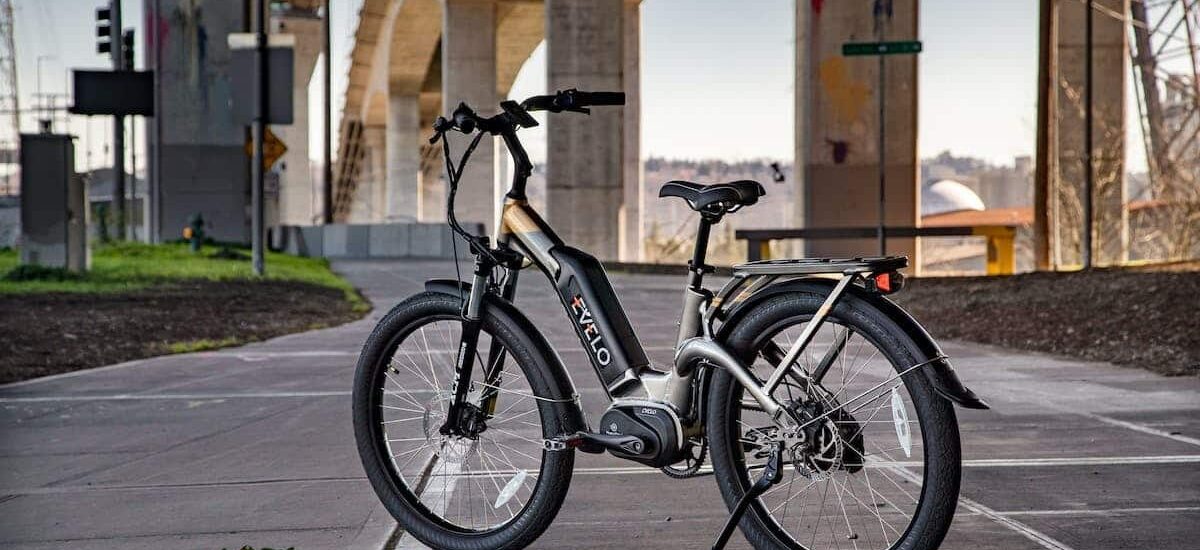
The future of electric bikes looks promising, both bright and filled with innovations. The growing need for sustainable mobility, the emphasis on health and well-being, as well as rapid technological advancements, have all led to a swift evolution in this sector. Electric bikes are no longer just practical and environmentally friendly means of transportation; they are becoming faster and more efficient, ushering in a new era of mobility. The integration of artificial intelligence, more sustainable batteries, and safer braking systems are just a few of the improvements that await us.
Electric Bikes: The Technological Revolution in Progress
The technological evolution of electric bikes has led to significant advancements in recent years. Engineers have managed to develop increasingly high-performance models capable of reaching impressive speeds. It is not uncommon today to find an electric bike capable of reaching 60 km/h.
This rapid evolution is due to several key factors. The constant improvements in the design and integration of bike components have allowed for better energy efficiency and a significant reduction in the overall weight of the device. The use of lightweight materials such as carbon or aluminum also contributes to this performance increase.
Advancements in technologies related to electric motors play a crucial role in the increased speed of electric bikes. High-performance brushless motors are now commonly used to provide maximum power while minimizing energy consumption.
Alongside these technical developments, it is essential to note that battery range and lifespan are also critical for the continued success of fast electric bikes. The wise and efficient choice of battery type, as well as its optimal capacity, ensures sufficient range for covering long distances without the need for frequent recharging.
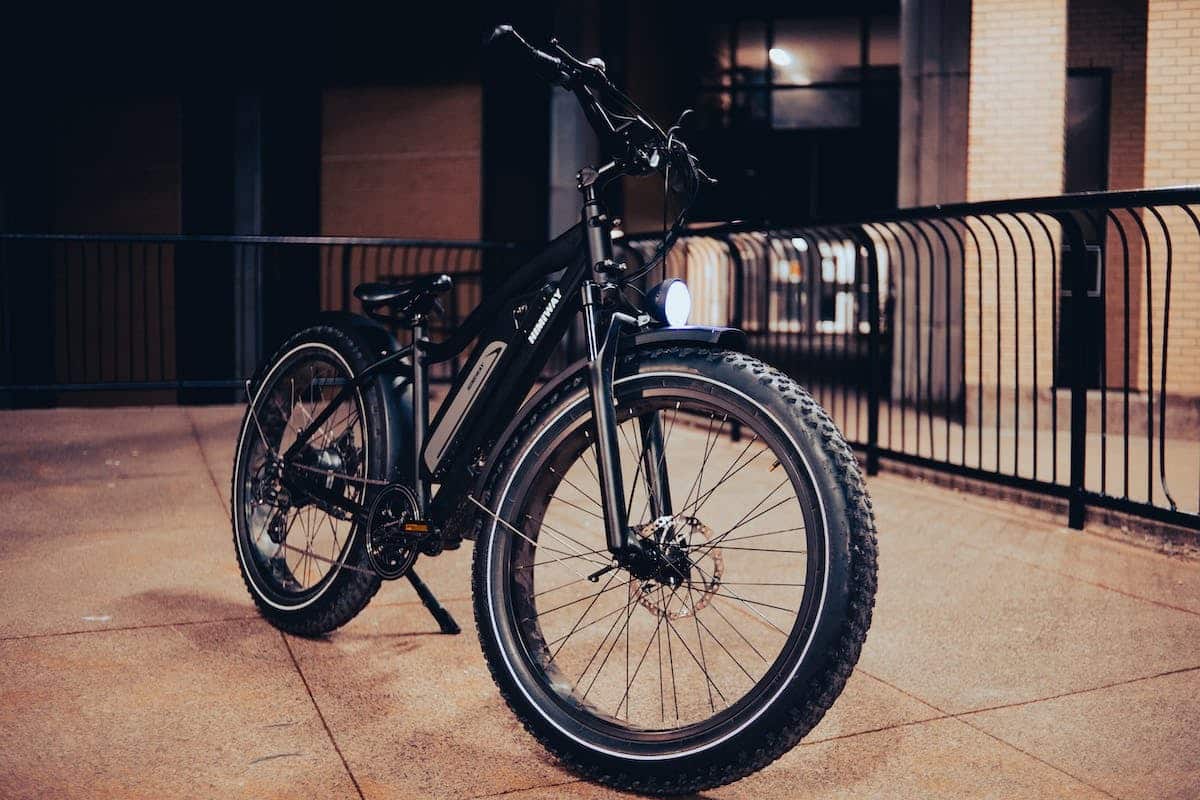
Faster and More Efficient Electric Bikes
In this race for performance, electric bike manufacturers have also focused on improving transmission systems. Electronic derailleurs have replaced older mechanical derailleurs, providing increased precision and responsiveness when shifting gears. This improvement allows cyclists to adjust their cadence according to the terrain and maintain a constant speed without excessive effort.
Another significant innovation in the field of electric bikes is the integration of smart sensors. These sensors monitor various parameters in real-time, such as the power provided by the cyclist, the pressure exerted on the pedals, or the speed of rotation of the bearings. Thanks to this data, the embedded algorithm can automatically adjust the electric assistance to provide an extra boost when needed while preserving battery life.
Speaking of batteries, they are also an integral part of the technological advancements in fast and efficient electric bikes. Research has focused on two essential aspects: energy capacity and recharge time. Lighter and more compact batteries have been developed with higher capacity to provide users with longer range.
Some manufacturers are currently experimenting with different technologies to significantly reduce the time required to fully recharge batteries. Among these are supercapacitors, which can quickly store and release a large amount of electrical energy. This innovation would allow cyclists to recharge their bike in just a few minutes, providing a more convenient and seamless experience.
It is important to highlight the growing importance of connectivity systems in modern electric bikes.
Battery Range and Lifespan: Crucial Issues for Electric Cyclists
In this relentless quest for improvement, two essential aspects stand out: battery range and lifespan. Indeed, these elements are at the heart of the concerns of cyclists who wish to fully enjoy their electric bike without constantly worrying about recharging.
Range is a primary criterion for electric bike users. Thanks to technological advancements, manufacturers are now able to offer batteries with a greater energy capacity. This allows cyclists to cover a longer distance before the battery needs recharging. Ongoing efforts to improve this range have yielded promising results, with some models capable of reaching up to 200 kilometers on a single charge.
The lifespan of batteries is also a crucial issue in the development of high-performance electric bikes. Indeed, frequently replacing a battery can be costly and environmentally unfriendly. Manufacturers are therefore working to extend the durability and reliability of their energy devices by using innovative materials such as graphene or carbon nanotubes.
Some companies now offer users the ability to optimize the use and efficiency of their battery through intelligent management of the electronic system embedded in the electric bike. These systems ensure an optimal distribution between electric assistance and power provided by the cyclist, thus achieving better performance while preserving battery longevity.
It should be noted that manufacturers are working on solutions to facilitate and accelerate battery recharging. Fast charging stations are gradually being deployed in certain cities, offering users the ability to quickly recharge their electric bike during their daily commutes. Some models are equipped with an energy regeneration system that allows the battery to partially recharge during braking or downhill rides.
Battery range and lifespan are two key elements in the development of the future of electric bikes. Ongoing technological advancements in energy capacity, intelligent management, and charging time contribute to making these means of transportation increasingly faster, more efficient, and tailored to the varied needs of users. There is no doubt that the future holds many surprises regarding the continuous evolution of this promising technology.
New Materials for More Efficient Electric Bikes
In the field of electric bikes, innovation is not limited to performance and embedded technology. Indeed, manufacturers also place great importance on design and user comfort.
The design of electric bikes is evolving to meet everyone’s aesthetic tastes. Aluminum or steel frames remain popular for their strength and lightness. New materials are emerging on the market to further enhance the performance of electric bikes.
Among these new materials is carbon, known for its exceptional lightness and rigidity. Carbon allows for a significant reduction in the weight of the bike while maintaining excellent robustness. Thanks to this high-performance material, cyclists can benefit from better responsiveness during accelerations as well as improved vibration absorption.
Another material gaining popularity is titanium. Less common than aluminum or carbon, it nevertheless offers many advantages. Titanium provides excellent corrosion resistance while being lighter than traditional steel used in bike frame construction. Its natural flexibility also provides increased comfort for long distances.
In parallel, some manufacturers are also exploring the use of natural fibers such as bamboo or even flax combined with innovative polymers to create environmentally sustainable frames without compromising performance.
Beyond the frame materials, other components of the electric bike also benefit from new technological advancements. Carbon fiber rims, for example, improve rigidity while reducing the weight of the bearings. Suspensions are also being rethought to offer better damping and a more comfortable ride on all types of terrain.
The integration of new materials in batteries helps to improve their capacity and lifespan. Lithium-ion is now the preferred choice for its high energy density and superior performance compared to other technologies available on the market.
With these new materials and technological advancements, electric bikes are positioning themselves as high-performance and environmentally friendly alternative solutions for urban commuting or outdoor sports escapades. With optimal design combining lightness, strength, and comfort, they promise a unique riding experience that is sure to appeal to a broad audience concerned with both style and performance.
Electric Bikes: What Future for This New Cycling Trend
Electric bikes have experienced explosive popularity in recent years, but their evolution does not stop there. The future prospects for these revolutionary machines are promising and open up new opportunities for both users and the industry.
Research is focusing on improving battery range. Currently, a weak point of electric bikes is their limited ability to cover long distances without frequent recharging. Thanks to technological advancements in energy storage and the miniaturization of electronic components, several projects aim to significantly increase this range.
Research is also being conducted to make electric bikes even lighter while maintaining their robustness. The use of new metallic and composite alloys will likely reduce the overall weight of the bike without compromising its structural integrity. This increased lightness will not only improve the vehicle’s energy efficiency but also its handling.
It is also worth mentioning the potential introduction of new motor options in the world of electric bikes. Currently dominated by crank or hub motors integrated into the frame or rear wheel, this industry could see the emergence of new technologies such as linear or magnetic induction motors. These innovations could offer even smoother and quieter assistance while improving the overall efficiency of the system.
The future prospects for electric bikes are exciting and promise a constant evolution towards machines that are ever more efficient and tailored to the specific needs of users.