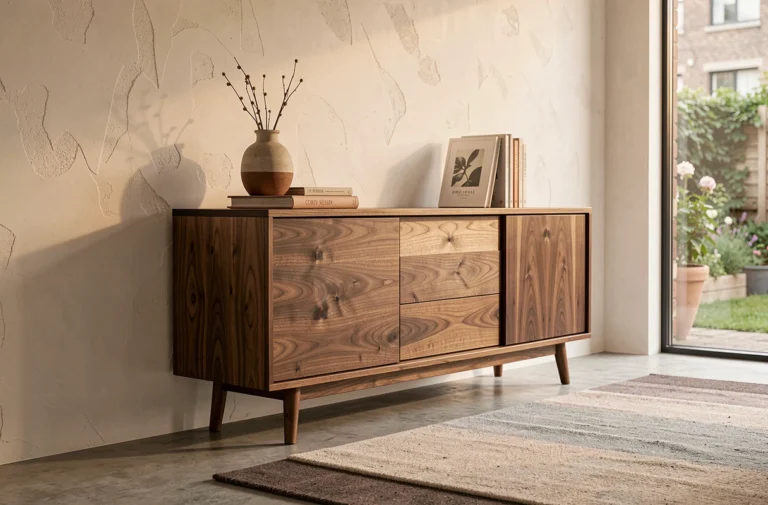
Furnished rentals are increasingly attracting individuals looking to benefit from the flexibility they offer. Whether for a short period or for a more permanent setup without the hassle of buying furniture, this option seems ideal. However, this lifestyle choice is not without its drawbacks. Tenants often face higher rents and a lack of personalization in their housing. For landlords, while profitability is appealing, the initial investments and property management can prove complex. It’s important to make a well-informed decision.
The advantages of furnished rentals for landlords and tenants
Landlords find in furnished rentals a source of higher returns compared to unfurnished rentals. Indeed, G Immobilier highlights that this type of investment stands out for its profitability, often 10 to 20% higher compared to traditional leases. The majority of these landlords opt for the status of Non-Professional Furnished Rental (LMNP), recognized for its favorable tax treatment, particularly the micro BIC regime which offers a 50% deduction on gross income. This tax provision simplifies income declaration and reduces the taxable base, making the scheme particularly attractive for small and medium-sized investments.
Tenants, on the other hand, benefit from great flexibility. Furnished rentals perfectly adapt to the needs of students and mobile professionals, offering shorter leases and simplified moves, without the burden of buying, moving, or storing furniture. This flexibility is a major asset in a constantly evolving job market where geographical mobility can be a key to professional success.
For both parties, furnished rentals thus represent a practical and economical solution. The landlord makes a real estate investment less subject to market fluctuations, while the tenant enjoys a ready-to-live-in home, avoiding additional expenses and the hassles of furnishing. This synergy of advantages contributes to the growing popularity of furnished rentals in the current real estate market.

The challenges and constraints of furnished rentals
While furnished rentals are appealing due to their tax advantages and flexibility, they are not without complexities. The regulatory framework, particularly the ALUR law and the decree of September 1, 2015, imposes a minimum equipment level that can represent a significant investment for the landlord. The law of July 6, 1989, strictly regulates rental relationships, requiring heightened vigilance regarding the rights and obligations of each party. These legal obligations, which are constantly evolving, require sustained attention from landlords to remain compliant.
The emergence of the Professional Furnished Rental (LMP) status also brings specific tax and administrative implications. To benefit from this status, rental income must exceed €23,000 per year and represent at least half of the household’s resources. Registration with the Trade and Companies Register (RCS) then becomes necessary, as does the payment of the Business Property Contribution (CFE). These procedures, while manageable, add a layer of complexity to rental management, especially for those unfamiliar with accounting and tax intricacies.
The Covid-19 pandemic has also introduced unprecedented volatility in the furnished rental market. The increase in the supply of traditional rentals, in response to the decline in tourist demand, has created heightened competition. Landlords must therefore demonstrate resilience and adaptability to maintain their occupancy rates and preserve the profitability of their investments in a suddenly more uncertain environment.