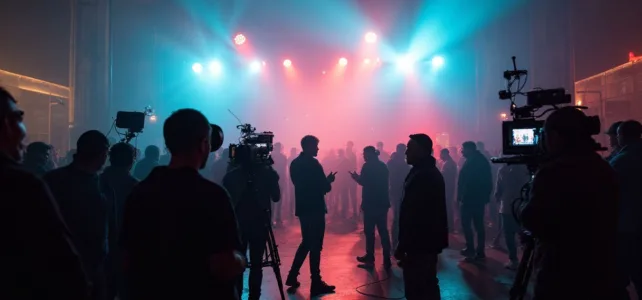
The world of audiovisual media resembles a vast ocean of images and sounds, an artistic and technical field in perpetual evolution. As films and television series continue to captivate millions of viewers around the world, the need to train talented and skilled professionals in this industry is increasingly felt. Audiovisual schools play a determining role in this endeavor, offering rigorous training that combines theory and practice to shape the new generation of creators. These institutions are multiplying, each offering a unique and specialized approach to teaching the art of audiovisual media.
The Different Paths of Audiovisual Education
For those embarking on the exciting path of audiovisual careers, the diversity of programs offered by schools is an essential aspect to consider. Each institution highlights distinct specialties, allowing students to focus on particular aspects of this fascinating industry.
On the side of traditional film schools, there is often an emphasis on directing, with modules dedicated to screenwriting, directing actors, and production. More specialized schools may focus on areas such as animation, special effects, or post-production. The choice of path will depend on the individual interests and talents of each student. The diversity of training allows everyone to find their place among the multiple aspects of audiovisual creation.
As these schools can be very selective, it is important to understand their admission criteria. You can learn more about this topic by checking out this article.
Technical and Artistic Skills
Joining an audiovisual school is not just about learning to handle a camera or editing software. These institutions aim to develop a true artistic sensitivity in their students while instilling the technical skills necessary to excel in their field.
- Mastery of technical tools: students learn to use modern capture and editing tools, essential for bringing their creative vision to life.
- Development of a visual language: courses on image and sound theory help understand how aesthetic choices influence storytelling and emotion.
- Artistic practice: practical workshops encourage experimentation and innovation, allowing students to discover their own artistic style.
The Importance of Internships and Professional Networking
In the competitive world of audiovisual media, the practical experience gained by students during their studies plays a crucial role. Internships and networking opportunities offered by schools allow students to immerse themselves directly in the professional world.
A strong network is often the key to success in this industry. The contacts made during these experiences can prove invaluable for landing a first job or launching one’s own business.
The Challenges and Opportunities of Modern Audiovisual Media
In the digital age, the audiovisual sector is rapidly transforming, bringing with it new challenges but also new opportunities for aspiring professionals.
The rise of streaming platforms, virtual reality, and 4K technology, among others, are radically changing the way audiovisual content is produced and consumed. Audiovisual schools must stay at the forefront of these technological developments to effectively prepare their students for these changes. Graduates emerging from these institutions with an understanding of current and future market trends will have a head start in this rapidly evolving industry.
Audiovisual schools are a fundamental pillar in building the careers of many image and sound professionals. Through diverse training, sharp technical skills, and a rich professional network, they pave the way for a multitude of creative possibilities. For those aspiring to leave their mark on the visual world, choosing the right institution can be the first step toward a fulfilling and exciting career.