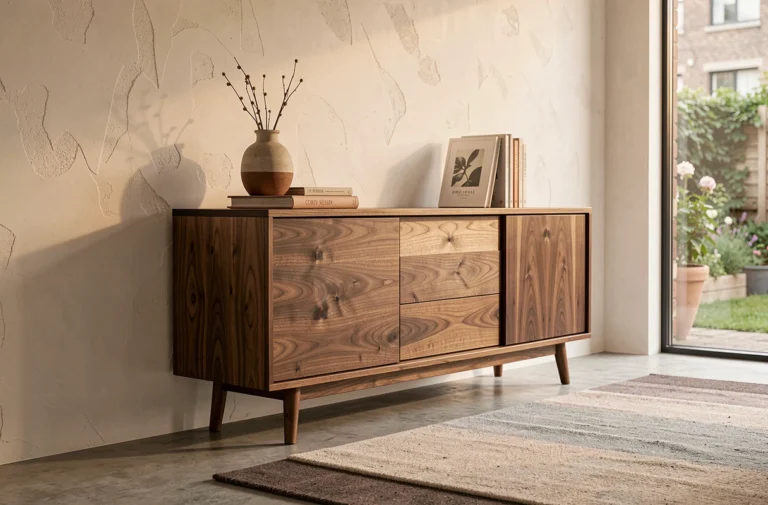
Repainting a wall, replacing a sofa, laying new flooring: every year, thousands of homeowners spend money to transform their interiors. Part of these investments can be disappointing a few months later, due to not anticipating certain technical or aesthetic pitfalls. This article reviews the most common decorating mistakes and ways to avoid them.
Post-renovation decorating mistakes: what really costs a lot
The most common regrets after a renovation are not about the chosen style, but about poorly calibrated practical decisions. A bad choice of wall color, for example, is rarely corrected with a simple touch-up: often the entire wall, or even the room, needs to be redone to achieve a uniform result.
Measurement errors constitute another underestimated expense. Ordering a piece of furniture that is too large for a space or a countertop with approximate dimensions leads to returns, custom adjustments, or, in the worst case, a replacement purchase. A measurement error on a piece of furniture often costs more than the furniture itself.
Next comes lighting. Many homeowners invest in furniture and paint without reconsidering their light sources. A living room with walls carefully painted in a warm tone can appear dull under poorly positioned cold white lighting. The opposite is also true: lighting that is too yellow can wash out the nuances of a light wall.
To delve deeper into these layout and decoration issues, the home section of Communiqués du Net compiles feedback and practical guides on these specific topics.
Colors and interior paint: why samples can be misleading
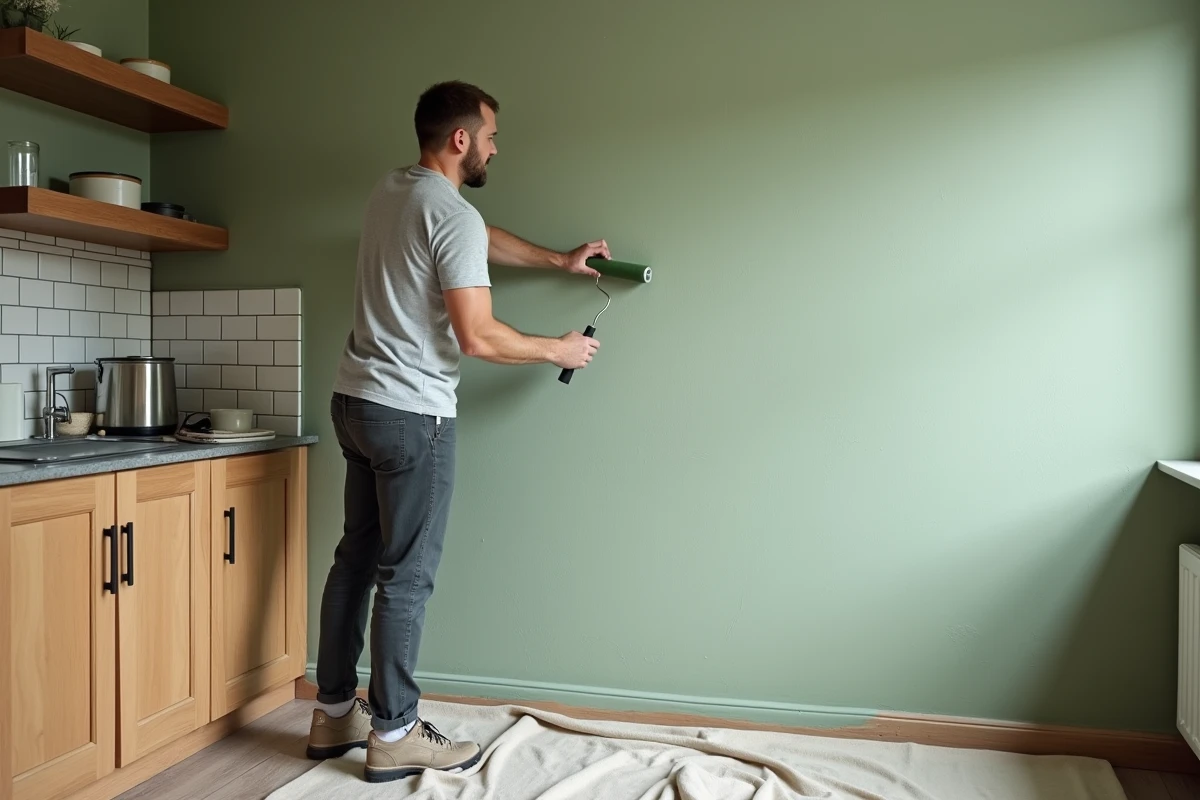
Color remains the primary source of disappointment after renovations. The appearance of a paint sample on a few square centimeters of cardboard almost never matches what the same shade looks like when applied to an entire wall. The natural light in the room, the orientation of the window, and the flooring all alter the perception of the color.
Test before committing
Applying a large swatch of paint (at least one square meter) directly on the target wall, then observing it at different times of the day, significantly reduces the risk of unpleasant surprises. This step takes half a day but avoids having to repaint the entire room.
The choice of finish (matte, satin, glossy) also plays a crucial role. A matte finish hides wall imperfections but absorbs light, while a satin finish reflects more and visually enlarges the space. Choosing the finish after applying the sample, rather than from a catalog, allows for adjusting the result to the reality of the room.
Space planning: the pitfalls of oversized furniture
A large corner sofa in a medium-sized living room blocks circulation and creates a feeling of clutter. This purchasing reflex, often guided by perceived comfort in the store, ignores the actual constraints of the home.
Measure circulation space, not just floor area
The available surface area is not enough to validate the choice of a piece of furniture. It is also necessary to check clearances: door openings, passage between the sofa and coffee table, distance from the television screen. Field reports vary on ideal distances, but one principle remains reliable: being able to move around without having to navigate around a piece of furniture indicates proper layout.
- Transfer the exact dimensions of the room onto a scaled plan (paper or app), including door and window openings
- Simulate the footprint of the intended furniture with tape on the floor before purchasing
- Check the seat height in relation to the coffee table or dining table to avoid ergonomic mismatches
These precautions take a few minutes and prevent returns of bulky furniture, which are often charged transport fees.
Indoor lighting: the element most often overlooked in decoration
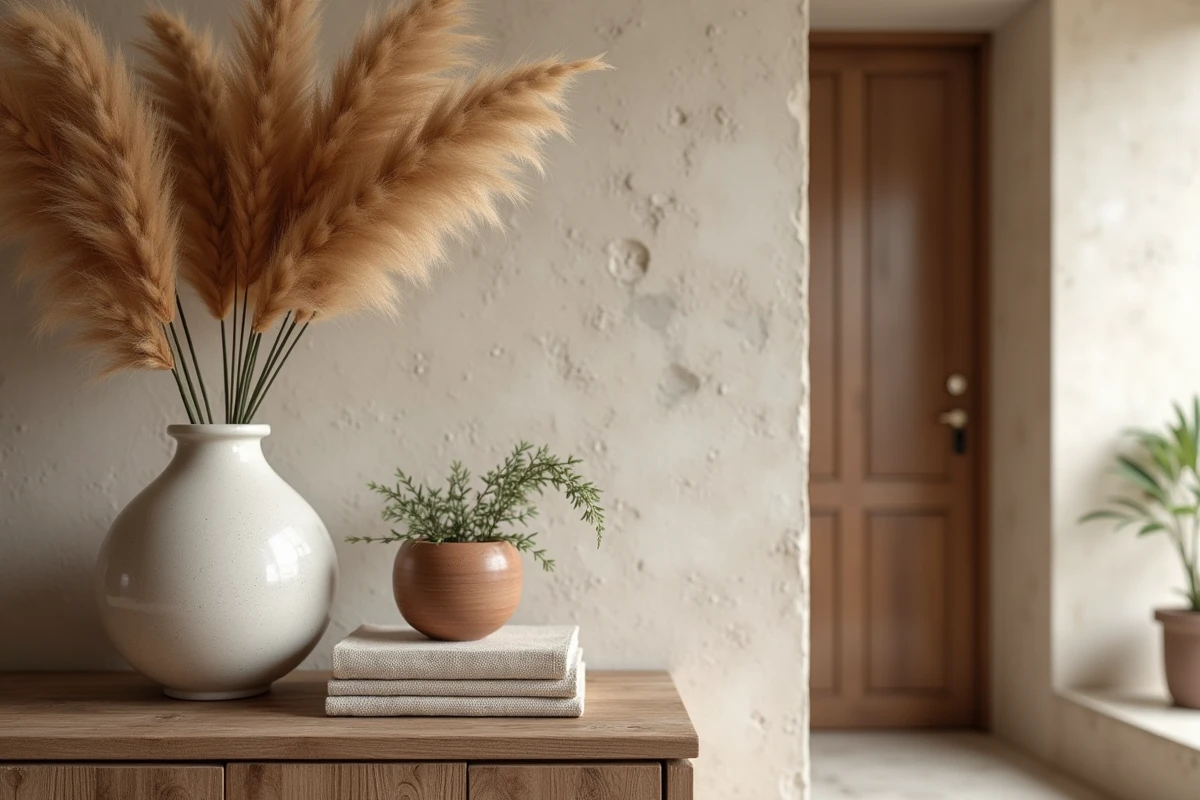
Lighting is rarely treated as a standalone decorative element. It often comes last, after the furniture is installed and the walls are painted, even though it conditions the perception of the whole.
Multiplying light sources in the same room (ceiling light, accent lamp, reading lamp, indirect strip lighting) allows for modulating the ambiance according to usage. A living room with three distinct light points appears more spacious than one with a single central ceiling light.
Color temperature and positioning
The color temperature of the bulb, expressed in kelvins, radically alters the atmosphere. A warm white is suitable for rest areas, while a neutral white is ideal for work zones like the kitchen or office. Mixing the two temperatures in the same room without transition creates a visual dissonance that many homeowners only notice after installation.
Positioning is as important as the type of bulb. Lighting directed towards the ceiling visually expands the space, while downward lighting creates marked shadow areas. Adapting the placement to the volume of the room avoids the “cave” effect or, conversely, the clinical appearance of overly uniform lighting.
Sustainable decoration and furniture reuse: an underutilized lever
The trend towards reuse and upcycling is gradually changing decorating practices. Instead of replacing a piece of furniture that is no longer liked, repainting it, changing its handles, or combining it with a thrifted piece offers a personalized result at a lower cost.
This approach has a concrete advantage for decorating mistakes: a refurbished piece of furniture costs a fraction of the price of a new one and allows for correcting a poor initial choice without starting from scratch. A sideboard whose color clashes with the rest of the room can be sanded and covered with an appropriate paint in a weekend.
- Check the structural integrity before redoing an old piece of furniture (legs, hinges, drawer bottom)
- Use a suitable primer for the material to prevent the new paint from chipping
- Harmonize new handles or knobs with the overall style of the room rather than following an isolated trend
Reuse does not solve all layout problems, but it offers a low-cost margin for correction for decorating choices that did not yield the expected result. Keeping this option in mind before each new furniture purchase remains a useful reflex to limit post-renovation regrets.