In France, one in five families reports experiencing persistent difficulties in managing daily relationships, according to a study by INED. However, most conflicts arise from minor misunderstandings or unexpressed needs, rarely from major disagreements. The intervention of a third party, sometimes seen as a last resort, often proves beneficial well before the situation deteriorates.
Simple practices, validated by family therapists, can lead to notable changes. Their effectiveness relies on regularity and the willingness to adapt certain habits without disrupting the existing balance.
Why is the family bond weakening today?
The family, this first circle where everything begins, is currently undergoing unprecedented shocks. Shared time within the household is diminishing: extended work hours, fragmented schedules, consecutive outside activities, not to mention the growing presence of screens. Parents, often torn between professional pressure and availability for their children, are struggling to catch their breath. The couple too, sometimes overwhelmed by daily management, unintentionally relegates communication and the joy of reconnecting to the background.
In this context, the values passed down through generations are transforming, shaped by a changing society, frequent relocations, and the diversity of family models. Family cohesion faces the erosion of collective rituals. For many households, conflict resolution becomes a perpetual gymnastics, especially when there is a lack of space to express feelings or to be heard. This results in a sometimes fragile parent-child relationship, fading reference points, and the strange feeling of being alone even when surrounded.
The decline in attendance at religious or community spaces, which once provided a structured framework, leaves some households without a safety net to reconnect and recharge. The tensions, far from being trivial, raise questions about each person’s ability to preserve the emotional well-being of the entire family. Yet, valuable resources exist, such as happy-family.org, which offer tailored support to strengthen emotional bonds and optimize family organization in daily life, regardless of the household’s history and configuration.
Family therapy: what approaches to regain balance together?
Family therapy offers a rare space where dialogue can reclaim its rights. When tensions accumulate, and understanding frays, the intervention of a qualified mediator can re-establish healthy foundations of communication. This approach is not limited to large or blended families: every household facing lasting blockages can find a new breath here.
Family relationship professionals rely on approaches that combine emotional well-being and conflict resolution. Among the proven methods, positive discipline and positive education place listening and respect for everyone at the center. The goal? To break the cycle of blame, open the floor to all, young and old, and restore value to what is truly being said.
Here are some levers frequently suggested by family therapists to restore trust and cohesion:
- Establish regular exchange times to address difficulties directly.
- Implement concrete tools, such as an emotions chart, so that each family member can express what they feel.
- Co-create personalized household rules adapted to the reality of the home, to strengthen cohesion and streamline collective life.
Family therapy does not impose a single model. It guides each family in redefining its balances. The results? A parent-child relationship often calmed, a renewed ability to face unexpected events together. It all hinges on the commitment to seek what helps each person grow, to recreate strong bonds and a harmonious family life.
Concrete advice to cultivate complicity and happiness in daily life
Create family rituals
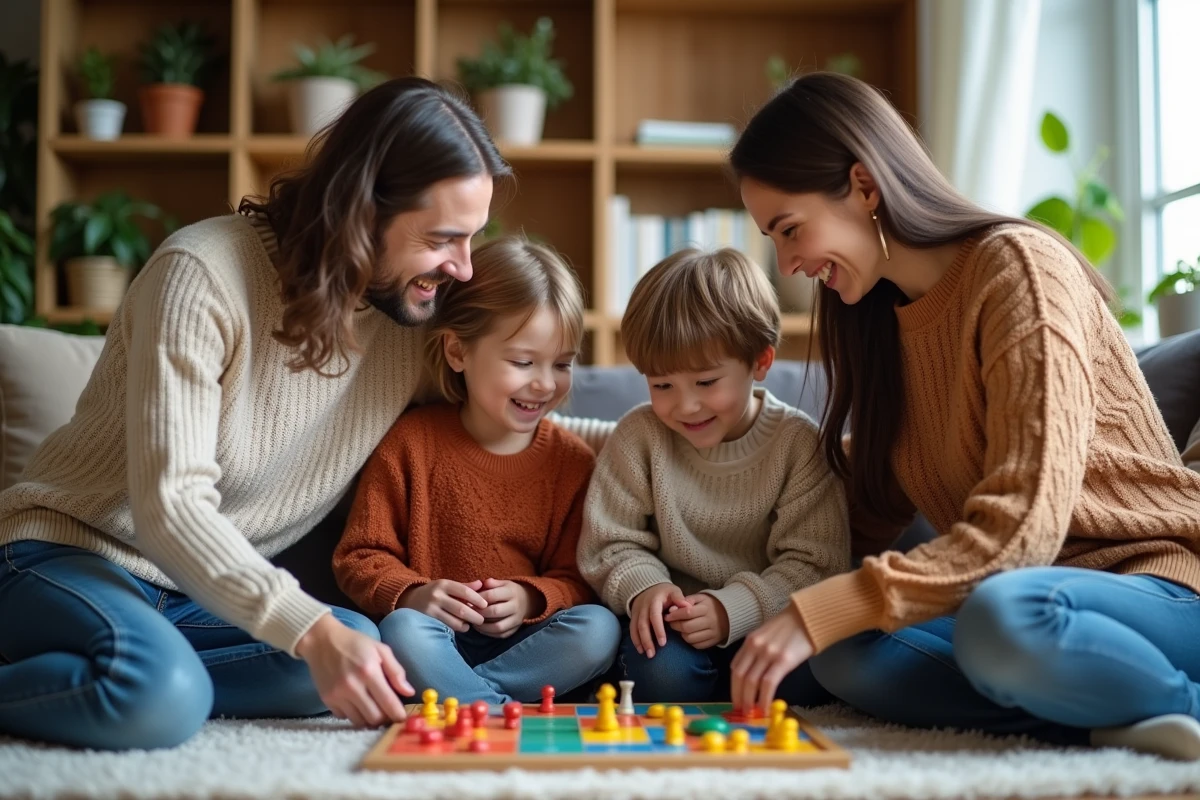
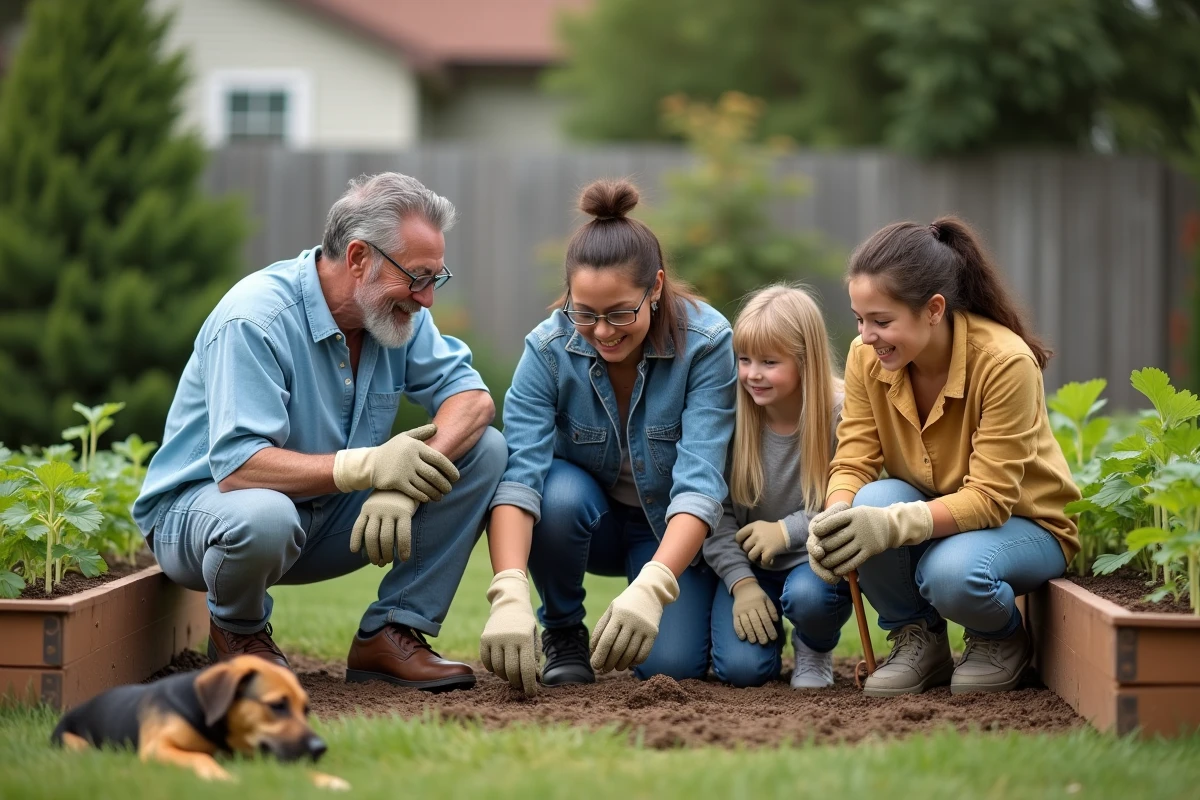
Getting into the habit of gathering at fixed times, where everyone feels fully at their place, nurtures family cohesion. A meal shared together, away from screens, quickly becomes an anchor. Board games, a Sunday walk, or a DIY workshop change the atmosphere, transforming a simple shared time into a precious resource. An evening ritual, even brief, around a story or a recap of the day, strengthens emotional bonds over time.
To make these moments even more meaningful, here are some ideas to explore:
- Plan a weekly activity reserved for the whole family, to mark a significant time.
- Assign each person a task appropriate to their age, to encourage participation and collective responsibility.
- Let the children take the initiative, whether it’s choosing an activity or composing the dinner menu, so they feel fully involved.
Value communication and quality moments
It’s not the hours accumulated that count, but the intensity of the attention given. Spending a few minutes of real presence, without distractions, often suffices to dissipate tensions and strengthen trust. Listening without interrupting, taking seriously what is said, preserves each person’s emotional well-being. The idea of a family calendar displayed, featuring birthdays, shared projects, and downtime, helps give visibility to the appointments that truly matter.
Encourage participation from everyone
Including children in daily decisions, even modest ones, values their role within the household. Organizing a family council, whether occasional or more regular, streamlines family organization and gives everyone the opportunity to express themselves. These practices structure the routine without stifling spontaneity and remind us how the joy of being together is built, day by day, through small concrete steps.