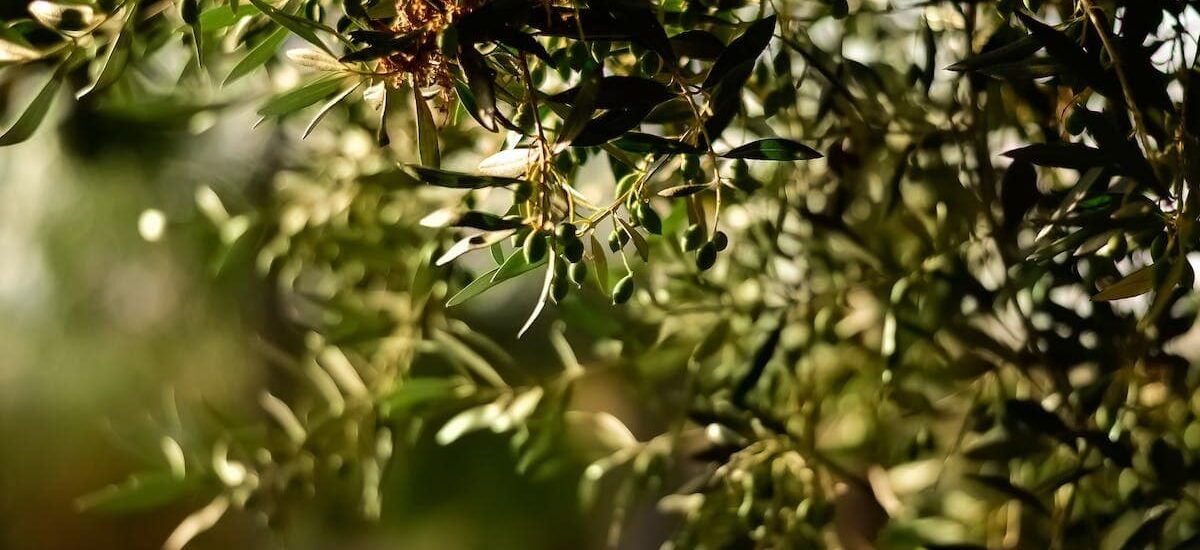
Anchored in Mediterranean traditions, the olive tree, this iconic tree, is unfortunately subject to various health problems, including yellowing. This disease, caused by a bacterium transmitted by insects, leads to a gradual yellowing of the leaves, thereby affecting olive production. Yet, despite this looming threat, treatment options remain limited and often ineffective. Discovering the causes of this disease and exploring viable solutions to remedy it is therefore crucial for maintaining this precious crop, both for farmers and for consumers of olive oil.
Yellowing in Olive Trees: Understanding Its Origins
Yellowing in olive trees manifests through characteristic symptoms that cannot be ignored. One of the most striking signals is the gradual yellowing of the tree’s leaves, hence its commonly used name: ‘yellowing olive tree’. The leaves display a pale greenish hue, losing their usual bright green luster. They often become brittle and fall prematurely. This leads to a general weakening of the tree, resulting in a significant reduction in olive production.
Beyond the discoloration of the leaves, there are other clinical manifestations associated with this disease. The branches of the olive tree affected by yellowing may appear dry or stunted. The growth of the trunk may also be affected, with a delay in the normal development of the tree.
It is important to note that these symptoms are not specific to yellowing in olive trees and may be similar to those caused by other infections or environmental stress. A precise analysis must be conducted to confirm the diagnosis.
To effectively prevent the spread of this formidable disease in olive groves, several measures must be considered. First, you must limit bacterial transmission via vector insects. An appropriate crop rotation can also help prevent the spread of yellowing.
Regarding curative treatments, studies are ongoing to find effective solutions. Researchers are particularly exploring the use of biological agents such as bacteriophages, which can specifically destroy the bacteria responsible for yellowing in olive trees.
Overall, it is essential to raise awareness among farmers and encourage integrated management of olive groves to effectively prevent and treat yellowing in olive trees. This will ensure not only the survival and well-being of the trees but also the preservation of a millennia-old crop dear to the hearts of olive oil enthusiasts worldwide.
Yellowing in Olive Trees: Contributing Factors
The appearance of yellowing in olive trees is influenced by a complex set of factors that act synergistically. Understanding these factors can help farmers take appropriate preventive measures to protect their olive groves.
The climate plays a crucial role in the development and spread of the disease. Regions where summers are hot and dry favor the proliferation of vector insects, such as sharpshooters, responsible for transmitting the pathogen causing yellowing. You must use insecticides.
Crop rotation is also an effective method to prevent the onset of yellowing in olive trees. By alternating the planting of other crops with that of olive trees, the risk of infection by the responsible pathogen is significantly reduced. Certain plant species may have a repellent effect on sharpshooters, thus helping to limit their presence.
Another interesting strategy involves using chromatic traps to attract and capture vector sharpshooters before they can infect the olive trees with the pathogen causing yellowing. These traps use specific colors that attract these insects more effectively to limit their population in the vicinity of the trees.
You must emphasize the critical importance of biological control in preventing yellowing in olive trees. By introducing natural predators of sharpshooters, such as ladybugs or parasitoid wasps, their presence can be significantly reduced, thereby limiting their damage to crops.
Proper soil management is essential to maintain the overall health of olive groves. A nutrient-balanced soil promotes optimal tree development and increases their resistance to diseases. Regular soil analyses are recommended to assess its specific needs regarding fertilization and organic amendments.
Preventing yellowing in olive trees requires a holistic approach that considers various agronomic aspects. By combining good climate management, appropriate crop rotation, the use of chromatic traps, and the promotion of biological methods to control pathogen vectors, farmers can effectively protect their olive groves from this devastating disease.
Preventing Yellowing in Olive Trees: Effective Methods
In the face of the threat of yellowing in olive trees, it is crucial to adopt effective curative measures to save already infected trees. While prevention is always better than cure, there are still some curative treatments that can help limit damage and restore the health of affected olive groves.
One of the first steps is to remove all severely infected trees. By removing these sick specimens, the risk of spreading the pathogen responsible for yellowing to other healthy olive trees is reduced. This operation must be carried out carefully to avoid any further contamination during the process.
Once the removal is done, a thorough disinfection of all the equipment used must be carried out. This includes pruning tools, shears, and even agricultural utility vehicles that have been in contact with the infected trees. This measure helps prevent any accidental recontamination during subsequent work in the olive grove.
Regarding the direct treatment of olive trees affected by yellowing, different approaches are possible depending on the intensity of the infection and the stage at which it was detected. The use of specific insecticides may be necessary to control or eliminate the vector sharpshooters responsible for transmitting the pathogen.
It is also recommended to use stimulating phytosanitary products to strengthen the immune system of infected olive trees. These products help trees fight the disease by boosting their natural resistance and promoting their ability to regenerate.
At the same time, balanced fertilization can be beneficial to restore the vigor of olive trees weakened by yellowing. By providing the trees with the essential nutrients they need, their natural defenses are strengthened, and their recovery is accelerated.
A careful monitoring of the disease’s progression is crucial to adapt curative treatments as necessary. Regular visual inspections of the olive groves are recommended to detect any early signs of infection or relapse.
It should be emphasized that these curative measures are not always guaranteed to be 100% effective and that it can be difficult to fully recover an olive grove affected by yellowing. This is why it is essential to pay particular attention to preventive measures to avoid this devastating disease for olive crops as much as possible.
Although the curative treatment of yellowing in olive trees can be complex and demanding, there are still several approaches that can help limit the damage caused by this disease. By combining these treatments with adequate agronomic practices, it is possible to preserve our precious olive orchards and ensure sustainable production of quality olive oil.
Treating Yellowing in Olive Trees: Curative Options
In order to prevent the spread of yellowing in olive trees, preventive measures and curative treatments are necessary. Implementing a comprehensive management plan will not only limit the risks associated with this disease but also protect olive groves from other pathogens.
It is recommended to establish a regular phytosanitary monitoring program to quickly detect any appearance or progression of yellowing in olive trees. This increased vigilance will allow for rapid and targeted intervention to prevent uncontrolled spread of the responsible pathogen.
In addition, it is important to choose varieties suited to local conditions and resistant to diseases. Special attention should be paid to soil management and its nutritional balance to promote optimal development of olive trees.
To reduce the potentially high risk associated with chemical insecticides used to control the vectors responsible for transmitting the pathogen, it is advisable to consider more environmentally friendly alternatives. Biological methods such as the use of natural insecticides or the deliberate introduction of predatory organisms can be considered.
Implementing strictly adhered hygiene measures is also essential to avoid the spread of yellowing. It is crucial to keep olive groves clean and free from weeds that could serve as alternative hosts for vectors and the pathogen. Plant debris should be removed to reduce the risk of contamination.
In the long term, ongoing scientific research continues to play a crucial role in improving knowledge about yellowing in olive trees. Establishing research programs aimed at better understanding the interactions between the pathogen, vectors, and olive trees will help develop effective strategies to control this disease.
Although yellowing in olive trees can pose a major challenge for farmers and olive oil producers, there are various means available to manage this disease. By combining different approaches such as regular monitoring, the use of appropriate cultural practices, resorting to alternatives to chemical insecticides, and good agricultural hygiene, it is possible not only to limit the damage caused by this disease but also to ensure sustainable and resilient production in our olive orchards.
Managing Yellowing in Olive Trees: Perspectives and Recommendations
Beyond preventive measures, you must adhere to the prescribed doses and application intervals to avoid any harmful impact on the environment or on the quality of harvested olives.
Alongside conventional curative treatments, some research has shown that the targeted use of symbiotic microorganisms could also contribute to the effective control of this disease. Microorganisms can colonize the root system of the olive tree and enhance its immunity against various pathogens.
Although yellowing in olive trees can represent a challenge for farmers and olive oil producers, it is important to emphasize that the sharing of knowledge among researchers, farmers, and agricultural experts is essential in this fight against yellowing in olive trees. Only close collaboration will allow for the development of effective strategies to control this disease and preserve our precious orchards in the future.